How Social Media is Reshaping Public Discourse and Corporate Responsibility
Iwas scrolling through my X.com feed when I came across a video of a young woman, Mihlali, sharing her experience as a waitress at Babel restaurant in South Africa. Initially, I didn’t think much of it. Complaints about bad bosses or toxic work environments aren’t exactly groundbreaking in the age of social media. But something about this particular post stuck with me. Soon enough, the same video appeared on my TikTok, this time with real momentum: thousands of comments, likes, and shares.
Still, I wasn’t surprised. Stories like this surface frequently, ignite some outrage, and then quickly fade away. But this one was different.
Within 48 hours, I kid you not, the story had escalated into a major event. The EFF got involved, law enforcement agencies like the Hawks were on the scene, Babel’s owners were arrested, and employees were being deported. It was covered by mainstream news outlets. It felt like watching a movie unfold in real time— going from zero to one hundred real quick.
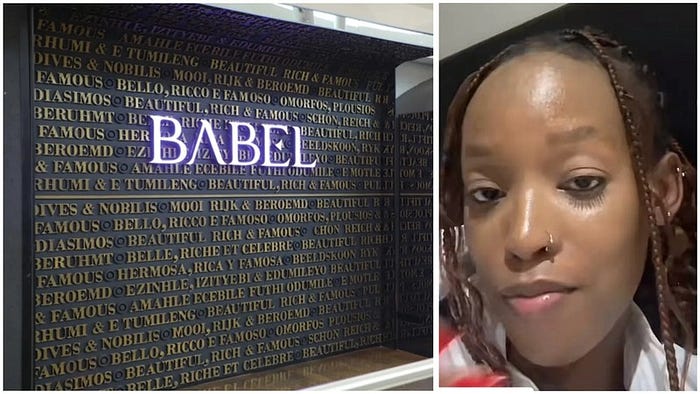
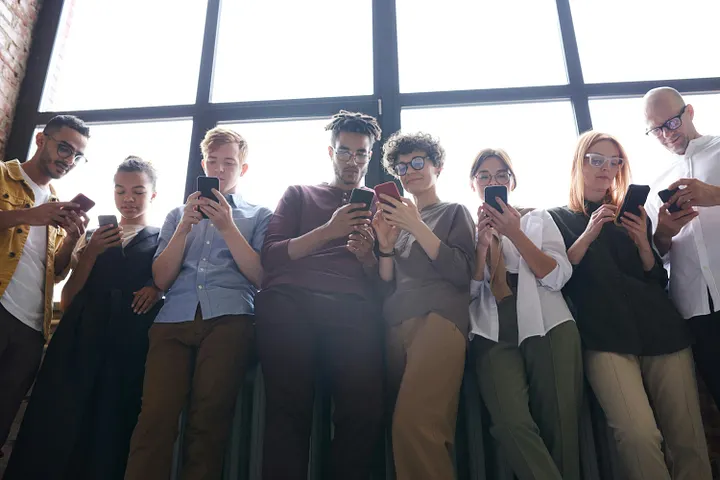
We all know social media is powerful, but at that moment, it hit me: social media is no longer just a platform; it has evolved into The Media. New Media has no gatekeepers, no delays, no filters. It’s a raw, real-time force that shapes trends, public discourse, politics, and corporate accountability. The Babel incident exposed more than just a restaurant scandal; it highlighted the immense power of social media today, showing that businesses, individuals, and political movements can no longer afford to ignore it.
Real-Time Accountability
Social media isn’t limited to casual posts or influencers promoting products — it’s the new media that can elevate or dismantle companies and amplify political conversations overnight. This phenomenon transcends borders and affects industries worldwide.
Take the case of United Airlines in the United States. In 2017, a video of a passenger being forcibly removed from an overbooked flight went viral within hours, sparking international outrage. The company’s stock price plummeted by nearly $1 billion in a single day. Just like the Babel case, this incident demonstrated the speed at which social media could drive real-world consequences and force corporations to be held accountable almost instantly.
In China, social media platforms like Weibo have similarly evolved into real-time platforms for public discourse. When fast-fashion giant Zara was accused of exploiting labor practices, it was Weibo users who spread the story, prompting government investigations and widespread calls for accountability.
The Babel, United Airlines, and Zara incidents reveal that traditional public relations strategies are rapidly losing their effectiveness. In the age of social media, the “magic bullet” theory, which suggests that mass media messages have a direct, powerful effect on audiences, has been flipped upside down. Now, any individual with a smartphone can be as powerful as major news outlets.
Social Media Slip-Ups
Sam Holdings: The Empire That Crumbled

One of the most striking examples of how social media can spiral out of control is the case of Sam “Mshengu” Chabalala of Sam Holdings. In 2019, he caught attention after posting a video showcasing his fleet of luxury cars heading to the Durban July. What seemed like an innocent display of wealth quickly grew into something far larger than he could have anticipated.
Sam’s post not only caught the eye of social media users but also law enforcement authorities. As the video circulated on Instagram and Twitter, questions about the source of his wealth began to arise. Soon, South African authorities were investigating everything from tax evasion to the legitimacy of his business practices.
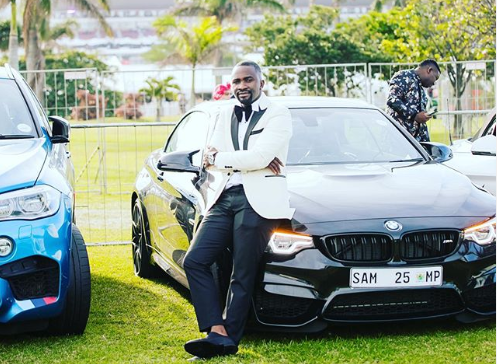
Within months, Chabalala faced charges for fraud, corruption, and possession of fraudulent documents. His business empire collapsed under the weight of these investigations. This case demonstrates that social media posts can trigger significant real-world consequences. What began as a flashy display ended with the unraveling of Sam Holdings — proving that in today’s world, a single post can ignite a storm.

Similarly, Jho Low, a Malaysian financier involved in the 1MDB scandal, experienced a global collapse of his reputation after journalists and whistleblowers amplified the story through social platforms. This case shows that the virality of social media can expose systemic corruption across borders and industries.
Public Battles in the Age of Viral Accountability
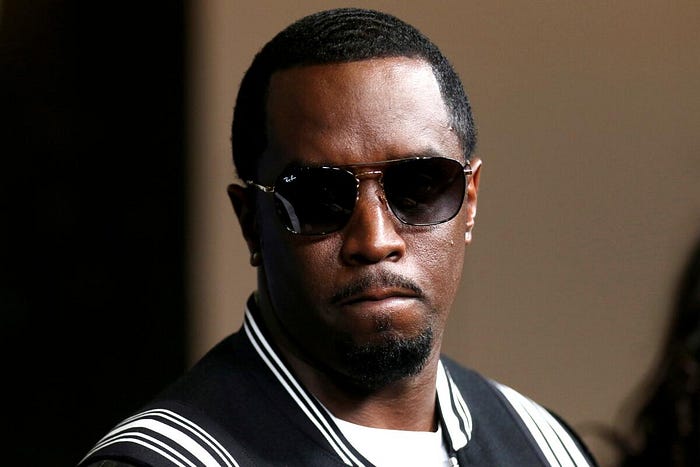
Amore recent example of social media’s power is the case of P. Diddy (Sean Combs), who faced serious allegations that quickly spread across platforms. What might have remained a domestic matter between him and his partner, became public almost instantly, with platforms like X.com and Instagram fueling discussions. Within hours, social media had amplified the story, sparking widespread public outrage and debates about accountability in the entertainment industry.
While Diddy’s legal situation remains unresolved, his case illustrates how the court of public opinion shapes perceptions even before formal judgments are made. As in the Sam Holdings case, the viral nature of social media transformed a personal crisis into a public scandal, with millions forming opinions and demanding accountability in real-time.
Diddy’s case highlights the reality that social media is an unfiltered battleground, where even the most carefully managed public personas can be challenged. In this new media landscape, celebrities and businesses alike face immediate scrutiny from a public as powerful as traditional media outlets.
Consider the Nike “Colin Kaepernick” ad. Nike leveraged the power of social media to spark conversations about social justice, knowing full well it could provoke a backlash. However, the company had a robust strategy in place to capitalize on both the positive and negative reactions. By aligning its brand with a divisive figure, Nike showcased how businesses can actively control the narrative, turning social media into a strategic tool rather than a liability.
Similarly, Patagonia, known for its environmental activism, has successfully integrated social media as a tool for corporate responsibility. Its public stance on sustainability, amplified by social media campaigns, has bolstered its reputation globally, transforming potential risks into assets.
Public Perception Escalates Easily
Recently, DJ Zinhle faced backlash on social media for comments made during a sensitive time in South A. While one could argue her intentions were not malicious, what could have remained a personal opinion became a public spectacle. Fans on X.com and TikTok scrutinized her actions, and negative sentiment grew rapidly. Before long, Zinhle was forced to address the controversy — something that likely wouldn’t have happened on such a scale in a pre-social media world.
Social media algorithms play a significant role in these spirals. The more people interact with a post — whether through likes, shares, or even negative comments — the more likely it is to go viral. In DJ Zinhle’s case, her defensive responses, although understandable, only fueled the controversy further. This demonstrates a key point: in the new media, even well-intentioned reactions can backfire if not handled carefully.
The EFF, once masters of using social media to mobilize support, faced their own backlash during the 2024 elections. The party’s open-border policy — intended to promote African unity — came under intense scrutiny on X.com. As job insecurity and economic concerns grew, South Africans debated the policy, with hashtags like #NoOpenBorders trending and citizens voicing fears about job competition.
In earlier times, opposition to such a policy might have been confined to public demonstrations or opinion pieces. Now, social media amplifies dissent, turning it into powerful digital movements capable of influencing election outcomes. The EFF’s failure to fully grasp the digital pulse of the nation played a major role in their electoral decline.
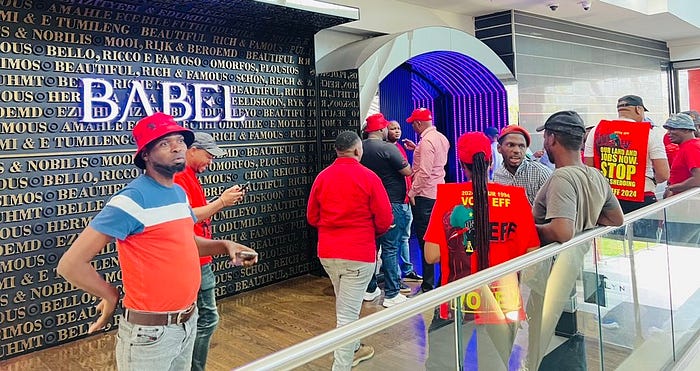
Ironically, the EFF has since regained favor and some positive visibility by being the first political party to address the Babel restaurant case. This shows the double-edged sword of social media — while it can dismantle, it can also rebuild. The key takeaway? Whether you’re on the good or bad side of social media, its power is undeniable.
Measuring the Pulse

Understanding the science of virality is no longer optional — it’s essential for businesses, influencers, and politicians alike. To succeed in the Fourth Industrial Revolution, brands must not only react to social media but master its analytics.
- Sentiment Tracking: Tools like Brandwatch and Sprout Social help brands gauge the emotional tone of their posts. By analyzing whether the public’s reaction is positive, negative, or neutral, brands can fine-tune their messaging in real-time. For instance, after Volkswagen faced backlash over a controversial ad, its PR team quickly pivoted after using sentiment analysis to gauge the intensity of the public’s negative reaction.
- Hashtag Monitoring: Tracking trends through tools like Talkwalker provides invaluable insights into the velocity of viral hashtags. The #MeToo movement, for example, is a testament to how hashtag monitoring can help drive social change, making it a vital tool for brands and activists alike.
- Engagement Metrics: Tools like Hootsuite allow companies to monitor the comment-to-like ratios of posts. A high engagement ratio often signals that a post has struck a nerve, either positively or negatively. Understanding these metrics allows businesses to intervene before public sentiment spirals out of control, as was the case with Gillette’s “The Best Men Can Be” ad, which sparked heated discussions around masculinity.
The lessons from these incidents are clear: social media is the new media, and it moves at an unstoppable pace. For businesses like Babel, ignoring the power of a single viral video can lead to disaster. For public figures like DJ Zinhle and P. Diddy, managing personal reputations requires vigilance. For political movements like the EFF, listening to the digital pulse is as crucial as traditional campaigning.
The Age of New Media is Now

Social media has democratized the flow of information. There are no gatekeepers, no waiting for traditional outlets, and no time to hide behind PR. The case studies of Babel, United Airlines, Sam Holdings, DJ Zinhle, and global political movements show that social media can shape public perception, dismantle empires, and even trigger corporate or political reform.
The world is changing, and so are the rules of communication, branding, and public relations, public figures, and political movements must adapt to this new landscape or risk being left behind. Whether you’re navigating a brand crisis or launching a political campaign, mastering the new media is not just an option — it’s essential for survival. Those who harness this power can thrive, but those who underestimate it will crumble in the face of viral accountability.
Are you prepared to master the pulse of social media, NEW MEDIA, and turn its raw power into an advantage for your brand, business, or movement?